
Describe what needs protection
List glass, ceramics, screens, precision parts or other vulnerable elements and their packed dimensions and weight. State whether the load must remain upright or cannot be stacked.
A fragile label alone does not replace appropriate packaging. Ask who is responsible for protection and whether the proposed service is suitable for the goods.
Plan fragile freight enquiries around your Kidderminster access
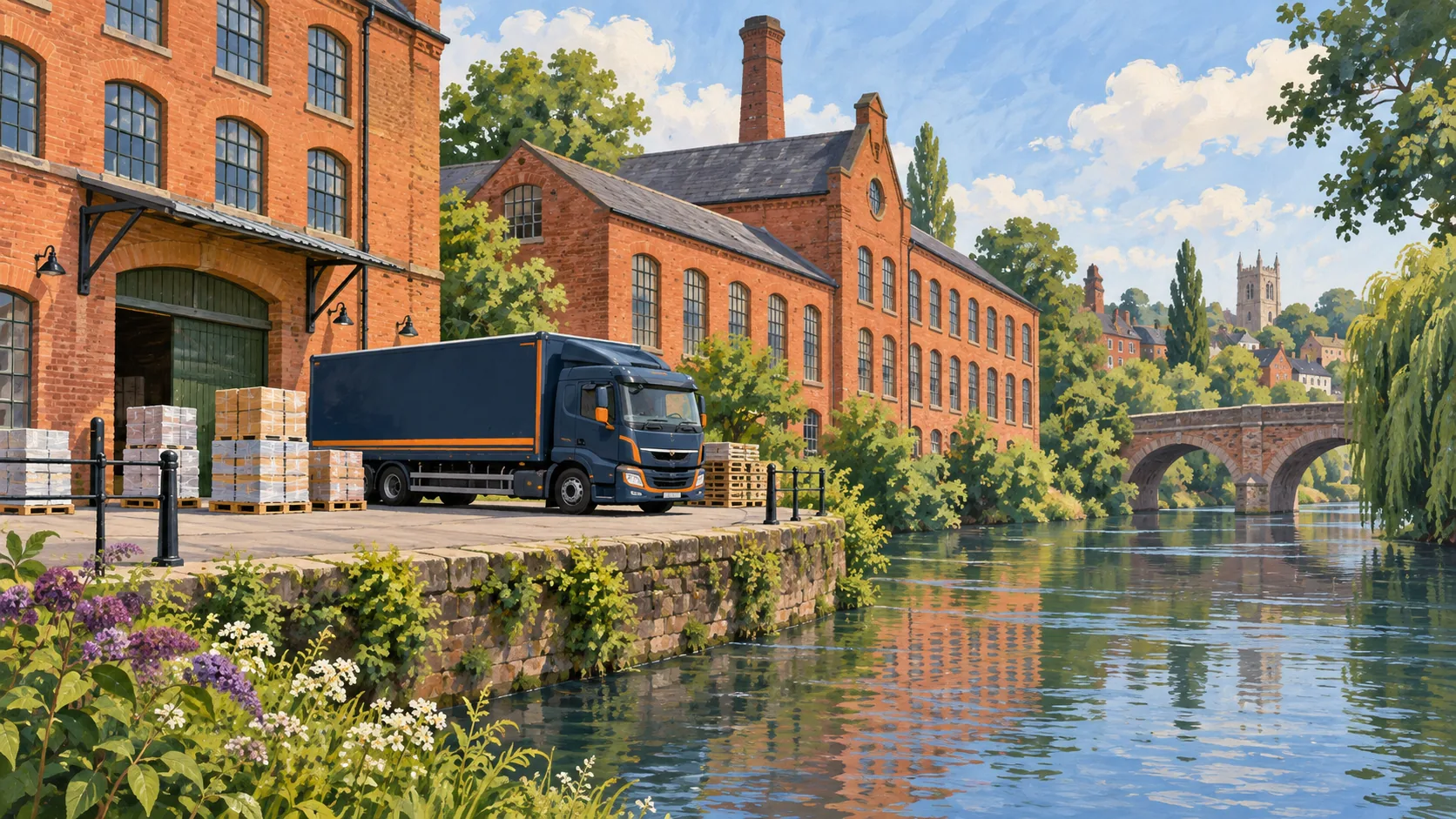
For Kidderminster freight, give the business unit and goods-in entrance as well as the full postcode. Confirm gross pallet weights, unloading equipment and the receiving contact. A neighbouring visitor car park is not a freight yard; ask the premises operator where the vehicle can stop and turn before choosing its size.
Obtain the seller or site operator’s release instructions and the equipment needed to load safely. Declare unusual contents, fragile parts and anything that cannot be stacked before suitability is assessed.
- Distinguish the property or goods entrance from a nearby car park, and measure the final carrying route.
- For fragile freight enquiries, prepare: fragile parts identified; protective packaging; handling and cover agreed.
Agree the journey and responsibility
If you need limited handling or a dedicated vehicle, explain why. The team can review the route and transport request before confirming suitability.
Discuss declared value, applicable cover, exclusions and evidence requirements before booking. Do not assume unlimited insurance or specialist art handling.
Your Kidderminster enquiry checklist
- For fragile freight enquiries, have these details ready: fragile parts identified; protective packaging; handling and cover agreed.
- Give both full postcodes and identify the exact entrance and receiving point. DY10 is a location reference, not the whole service area.
- Explain any unresolved permission, timing or handling question before accepting a quote.
- Check the quote’s supplier, price, inclusions and booking terms before confirming.